
🛋️ Personal website for Interior Designers

Show homeowners what their space could become

Homeowners hire interior designers based on finished spaces they can picture themselves living in. A personal site shows completed homes and offices, explains your process from concept to handover, and invites project enquiries.

Claim your name: digitalcvmaker.com/

● Live in 5 minutes · free to start · no auto-renew

See it live

See a live demo of an interior designer website

Real designs filled in for a sample person (not a real profile). Open one, scroll it like a visitor would, then make yours free.

Before and after

Same person, same details — as a PDF and as a website.

Before: the resume Sample interior designer resume, page 1 of the PDF
Page 1 of the PDF
After: the website
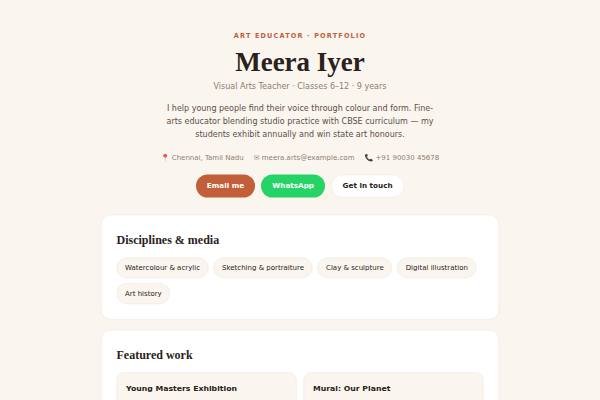
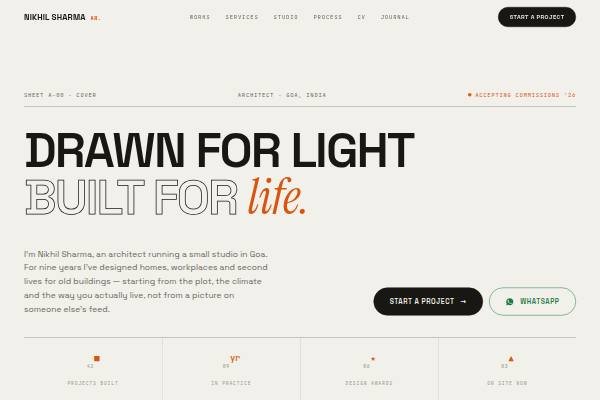
The live demo website · Open it →

Does an interior designer need a personal website?

Yes — an interior designer benefits from a personal website because homeowners shortlist designers by looking at finished rooms long before they call. A site lets you show completed flats and offices by budget band and property type, so a family with a new 3BHK can judge fit before booking a paid site visit.

Why Interior Designers choose a personal site

Everything an interior designer needs, in one link

Spaces that sell the idea

Room-by-room galleries of completed projects, with before-and-after photos where you have them.

Process that reassures

Explain design, material selection, execution and timelines so clients know what to expect.

Qualified enquiries

Capture property type, size, city and budget range before the first site visit.

Before you publish

What to put on your interior designer website

Tick off each item as you add it — and why each one matters to the people who read your site.

Page outline

How to lay out an interior designer website

  1. Projects by property type Group work as 2BHK flats, villas, clinics or offices, each with carpet area, city, scope (full turnkey or design-only) and a line on the brief you were given.
  2. Walkthrough of one project Pick one home and tell it room by room: the original problem, the layout change, materials chosen and how long execution took from demolition to handover.
  3. How a project runs Lay out the stages — measurement, concept boards, 3D views, BOQ sign-off, execution, snag list and handover — and say where the client must approve before work moves on.
  4. Materials and specifications Explain your default choices such as BWP ply versus MDF, laminate versus veneer, hardware grades and paint systems, so clients understand why two quotes for the same kitchen differ.
  5. Fees and what is billed separately State whether you charge a design fee, per square foot or a percentage, and list what sits outside it: civil work, electrical rewiring, loose furniture, appliances and society deposits.
  6. Site visit request Ask for property type, carpet area, possession status, city and a budget range, and say whether the first visit is free or charged and adjustable against the design fee.
Templates

Website templates for interior designers

What interior designers in India should know before going online

There is no statutory licence for interior designers in India, but the title “architect” is protected under the Architects Act, so do not describe yourself as one unless you are registered with the Council of Architecture. Most residential work comes from new possessions in apartment societies, so rules on working hours, noise and debris set by housing societies matter, and clients value designers who mention them. Homeowners check Instagram reels, Google reviews and referrals from neighbours in the same tower. If your turnover requires GST registration, show your GSTIN on quotes and invoices. In cities such as Bengaluru, Pune, Hyderabad and the NCR, many clients are NRIs or relocating professionals who rely on video updates, so say how you report progress remotely.

Common website mistakes interior designers make

  • Posting only glossy 3D renders with no finished photos, which makes clients wonder whether anything was built; label renders clearly and put real handed-over projects first.
  • Hiding every price behind “call us”, which attracts bargain hunters and scares serious buyers; give a per-square-foot range for modular kitchens and wardrobes and explain what changes it.
  • Writing project captions like “Luxurious living room” instead of saying the area, the constraint and the solution, such as fitting a study into a 10×11 bedroom.
  • Leaving out the execution side, so clients assume you only design; say whether you run carpenters and civil teams yourself or supervise the client’s contractor.
  • Using photos from a firm you worked at without credit or permission; name your role on those projects and get the firm’s consent before publishing.
How it works

From nothing to a live site in three steps

1

Pick a template

Start from a design built for professionals like you.

2

Make it yours

Add your details, work and photo — no code, no designer.

3

Go live and share

Publish to your own link and put it everywhere that matters.

Plans from Rs.499 a month · See plans

One place for your job

Everything for interior designers

FAQ

Questions from Interior Designers

Show both, clearly labelled. Completed projects prove execution, while renders show design ideas. Homeowners often trust real photos more, so lead with finished spaces and add renders for upcoming work.

Explain whether you charge a design fee, a percentage of project cost, or per square foot, and what’s included. Clients appreciate clarity even if final costs depend on the scope.

The form is best for initial details like property type, size and budget. Collect floor plans and site photos afterwards on email or WhatsApp once you’ve spoken.

Yes. You can present projects you contributed to, noting your role, as a portfolio for your next job, with permission where needed from your employer.

Mostly through referrals, completed project photos, social media and partnerships with builders. A website with your projects, services and process helps referred clients check your work.

Completed projects with before-and-after photos, floor plans, mood boards, materials used, your role and the project type. Add renders for designs that are not yet built, labelled as such.

Made for you

Personal websites for every profession

All professions →

Your name, your site, your callback

Join the Interior Designers who let their own site do the talking.

● Live in 5 minutes · free to start · no auto-renew

Chat on WhatsApp