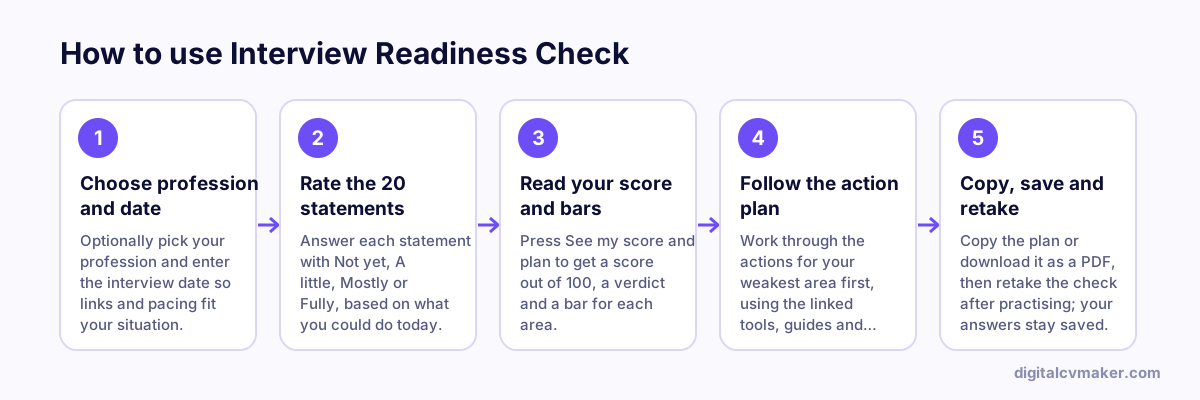
How to use your readiness score
The score is a snapshot of how prepared you are today, based on your own honest answers. It is most useful when you take it twice: once when the interview is confirmed, and again a day or two before, after working through the plan.
- Answer quickly and honestly. “Mostly” means you could do it now without notes; “A little” means you have started but would struggle if asked today.
- Start with the weakest area, not the easiest one. Most interview surprises come from the areas people avoid preparing.
- Do the actions, then retake the check. Your answers are saved in this browser, so you only need to change the ones that improved.
What each area covers
- Research the company and role — knowing what the organisation does, what the job needs and what the round will look like. Build a list with the interview prep checklist.
- Your stories and answers — the introduction, your fit for the role and four or five real examples. The STAR answer builder turns rough notes into answers you can say aloud.
- Role skills — the technical or domain knowledge the job needs, and every claim on your resume. Run your resume through the resume checker so nothing surprises you.
- Logistics and documents — time, place or link, copies of your resume, ID, and a ready answer on salary and notice period.
- Presence and communication — how you sound and come across. Practising aloud with the interview practice tool and listening back to a recording shows habits you cannot hear in your head.
If you only have one evening
Prepare your introduction, two strong stories and two questions to ask, check the time and place, and get a good night’s sleep. For a ready-made opening, see the “tell me about yourself” examples, and after the interview send a short note with the follow-up email generator.