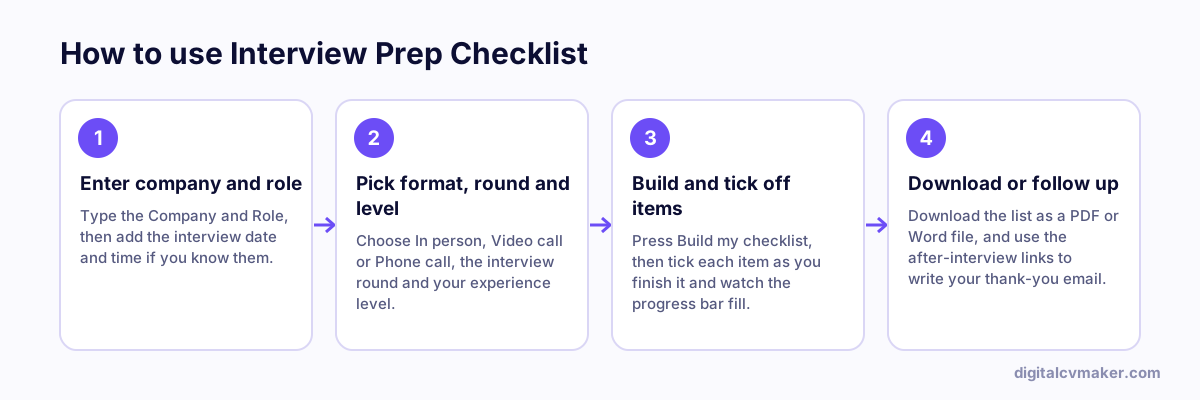
A simple plan for the days before an interview
Good preparation is mostly about removing surprises. Split it into three short sessions rather than one late night:
- Research: what the company sells, who its customers are, and one recent development you can mention naturally.
- Match: take the top requirements from the job description and write one line of proof for each from your own work, studies or projects.
- Rehearse: say your introduction and four or five stories out loud, then pick the questions you will ask at the end.
Practise answering real questions with the interview practice tool, turn your examples into structured answers with the STAR answer builder, and borrow ideas for your opening from our “tell me about yourself” examples.
What changes with each round
- HR or screening: expect questions on your background, notice period, salary expectations and why you are looking. Keep answers short and consistent with your resume.
- Technical: expect problems, case questions or a walk-through of past work. Think aloud, state your assumptions and say when you would check something rather than guess.
- Managerial: expect questions on how you plan, prioritise, handle conflict and take feedback. Stories with a clear result matter most here.
- Final or leadership: expect questions about motivation, long-term fit and how you would approach your first few months.
Bring a resume that matches what you say
Interviewers often read your resume line by line while you talk, so every date, number and skill on it should be something you can explain. If yours needs a refresh before the interview, update it in the free resume builder and print fresh copies. After the interview, send a short note with the follow-up email generator.