At a glance
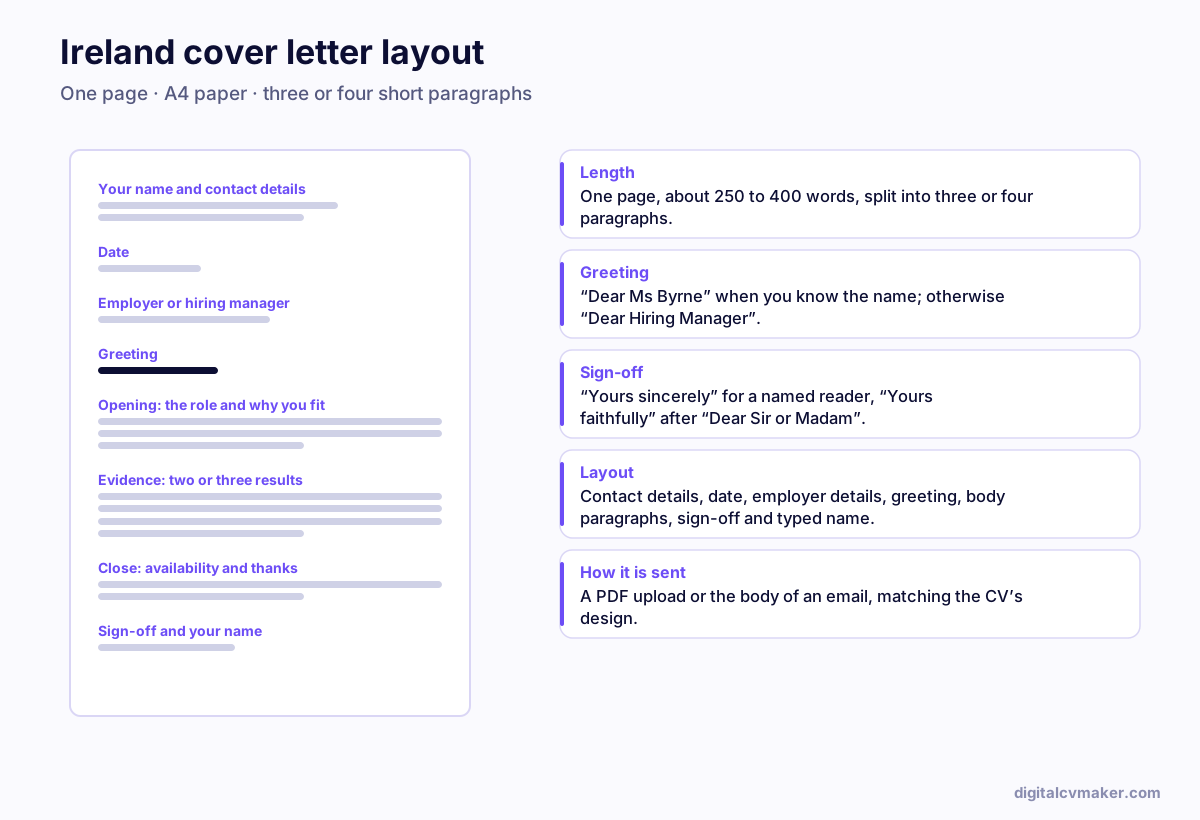
| Length | One page, about 250 to 400 words, split into three or four paragraphs. |
|---|---|
| Greeting | “Dear Ms Byrne” when you know the name; otherwise “Dear Hiring Manager”. |
| Sign-off | “Yours sincerely” for a named reader, “Yours faithfully” after “Dear Sir or Madam”. |
| Layout | Contact details, date, employer details, greeting, body paragraphs, sign-off and typed name. |
| How it is sent | A PDF upload or the body of an email, matching the CV’s design. |
Free Ireland cover letter template
The sample letter below, set out on a A4 page with the local greeting and sign-off. No signup.
Choosing the right greeting
Look for the hiring manager’s name in the job advert, on the company website or on LinkedIn before settling for a generic opening. With a name, write “Dear Mr Kelly” or “Dear Ms Kelly”, and sign off with “Yours sincerely”. If no name is available, “Dear Hiring Manager” is widely used in Ireland and reads more naturally than “To whom it may concern”. The traditional pairing of “Dear Sir or Madam” with “Yours faithfully” is still correct in formal settings, though it can feel dated in the private sector.
Opening with the role and a reason
Your first paragraph should name the position, say where you saw it and give one clear reason why you fit. Recruitment agencies handle a large share of hiring in Ireland, so if you are responding through an agency, mention the consultant or agency advert rather than the employer’s own page. A referral from a current employee is worth naming at this point too. Keep the opening straightforward; Irish readers generally prefer a warm, confident tone over bold claims or rhetorical questions.
Showing evidence in the middle paragraphs
Use one or two paragraphs to connect your experience with the requirements in the advert. Choose two or three examples that show how you handled a problem, improved something or delivered for customers, and describe the result in a sentence each. Avoid copying bullet points straight from your CV. Add a line on why this particular organisation interests you, such as its products, its customers or its work in your region, because generic praise is easy to spot.
Closing with practical details
The final paragraph is where you mention anything that affects timing or eligibility. Irish employers often ask about notice periods, so state yours if it is known, and add your work permission if you are not an EEA citizen. Say that you would welcome an interview and thank the reader. Keep the close short: a single friendly sentence works better than several lines of repeated thanks. Then add your sign-off and typed name, followed by a phone number if the letter is sent by email.
Formatting and public sector applications
Use the same font and header as your CV, a clear size between 10 and 12 points and generous white space. Write dates the Irish way, with the day before the month. Many public service, health service and education roles in Ireland use application forms with competency-based questions instead of a cover letter. In those cases, follow the form’s structure and word limits closely, and give specific examples for each competency listed rather than attaching a general letter.
Sample cover letter
Replace the text in square brackets with your own details, and swap the examples for real results of yours.
Dear [Hiring manager's name], I would like to apply for the [Role] position at [Company name], which I saw advertised on your website. I have spent the last five years in operations and customer support within the logistics sector, and I believe my experience of improving service processes would be useful to your team. In my current role I manage a team of six support agents handling queries from retail and business customers across Ireland and the UK. I reorganised our shift rota and ticket categories, which shortened response times and reduced the number of complaints escalated to senior staff. I also produce weekly performance reports for the operations manager and run induction training for new starters. I am keen to join [Company name] because of your reputation for customer care and your plans to expand your service centre. The advert mentions people management, reporting and a steady approach under pressure, and my CV sets out examples of each. I hold a Level 8 honours degree in business and a certificate in project management. I hold Stamp 4 permission, so no employment permit would be needed, and my notice period is one month. I would welcome the chance to discuss the role with you and can attend an interview in person or online. Thank you for your time and consideration. Yours sincerely, [Your name]
Tips
- Mention the recruitment agency or consultant by role if you found the job through one, so the employer can track your application correctly.
- State your notice period and work permission near the end, because these are practical questions most Irish employers raise early.
- Keep your tone friendly and modest; a clear example of what you achieved persuades more than strong adjectives about yourself.
- Check whether a public sector competition wants a cover letter at all, since many use a structured application form instead.
How Ireland compares
| Country | Length | Greeting | Sign-off |
|---|---|---|---|
| 🇮🇳 India | Three to four short paragraphs, well under one page. | Dear Mr/Ms [Surname]; Dear Hiring Manager when no name is known. | Regards, Best regards or Yours sincerely, followed by your full name and phone number. |
| 🇺🇸 US | Under one page, roughly 250 to 400 words in three or four paragraphs. | Dear Ms. Rivera or Dear Hiring Manager; avoid To Whom It May Concern. | Sincerely, followed by your typed full name. |
| 🇬🇧 UK | One page, roughly 250 to 400 words, in three or four paragraphs. | “Dear Ms Patel” with a name; “Dear Sir or Madam” or “Dear Hiring Manager” without. | “Yours sincerely” after a named greeting, “Yours faithfully” after Sir or Madam. |
| 🇦🇪 UAE | Under one page, usually 250 to 350 words in three or four paragraphs. | “Dear Mr/Ms [Surname]”, or “Dear Hiring Manager” if no name is given. | “Yours sincerely” with a name; “Kind regards” is fine for email applications. |
| 🇨🇦 Canada | One page, roughly 250 to 400 words in three or four paragraphs. | Dear [Hiring manager’s name], or Dear Hiring Manager, if no name is available. | Sincerely, or Kind regards, followed by your full name. |
| 🇦🇺 Australia | One page, roughly three to five paragraphs; shorter is fine in an email. | “Dear” plus title and surname when known; otherwise “Dear Hiring Manager”. | “Kind regards” is most common; “Yours sincerely” suits more formal applications. |
| 🇸🇬 Singapore | One page, typically 200 to 350 words across three or four paragraphs. | “Dear Ms Lim” when named; otherwise “Dear Hiring Manager”. | “Yours sincerely” for formal letters, “Best regards” for email applications. |
| 🇮🇪 Ireland | One page, about 250 to 400 words, split into three or four paragraphs. | “Dear Ms Byrne” when you know the name; otherwise “Dear Hiring Manager”. | “Yours sincerely” for a named reader, “Yours faithfully” after “Dear Sir or Madam”. |
| 🇩🇪 Germany | One A4 page, usually three to four short paragraphs. | “Dear Ms Weber” or “Dear Dr Weber”; “Dear Hiring Team” without a name. | “Kind regards” or “Yours sincerely”, followed by your typed name. |
| 🇪🇸 Spain | Half a page to one page; three or four short paragraphs. | “Dear Ms García” or “Dear Mr García”; “Dear Hiring Team” if no name is given. | “Kind regards” or “Yours sincerely”, then your full name and phone number. |
| 🇫🇷 France | One A4 page, with three main paragraphs and a short closing. | “Dear Sir or Madam”, or “Dear Ms Martin” when you know the recipient. | “Yours faithfully” or “Yours sincerely”, matching a formal French closing line. |
| 🇮🇹 Italy | Up to one A4 page; three or four paragraphs. | “Dear Dr Rossi” where a title is known; “Dear Hiring Manager” otherwise. | “Kind regards” or “Yours sincerely”, followed by your full name. |
| 🇵🇹 Portugal | Under one page; three or four concise paragraphs. | “Dear Ms Silva” or “Dear Mr Silva”; “Dear Sir or Madam” without a name. | “Kind regards” or “Yours sincerely”, with your name and phone number. |
| 🇧🇷 Brazil | Short: half a page, or three brief paragraphs in an email. | “Dear Ms Souza” or “Dear Mr Souza”; “Dear Hiring Team” if no name is listed. | “Kind regards” or “Best regards”, then your name, phone and LinkedIn. |