Biodata or resume: which one to send
A biodata is a fact sheet about you: personal details first, then education and work history, closed with a signed declaration. Some government offices, public sector units, schools and colleges, and traditional private employers in India still ask for one. Most private companies, startups and recruiters expect a resume that leads with skills and results.
- Use a biodata when the notice, form or employer asks for “biodata” by name.
- Use a resume when the job post says resume or CV, or does not mention a format — build one with the free resume builder.
- When in doubt, ask HR which format they prefer. It is a normal question and saves a second submission.
How to fill each section
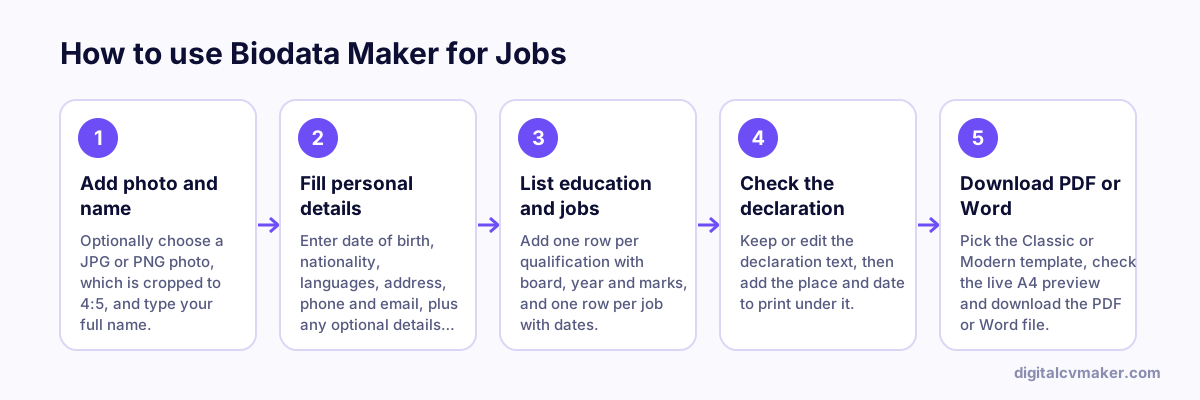
- Name and photo: write your name exactly as it appears on your certificates. Use a recent, plain-background photo — the resume photo maker can crop one to 4:5.
- Personal details: fill only what the employer needs. Leave optional fields empty and they will not appear.
- Education: one row per qualification, highest first, with the board or university, year and marks or CGPA as printed on the marksheet.
- Work experience: organisation, designation and dates. Keep the dates consistent with your experience and relieving letters.
- Declaration: keep the standard line, add the place and date, and sign the printed copy above your name.
Before you submit it
- Check spellings of names, dates of birth and marks against your documents. Mismatches cause delays during verification.
- Send the PDF by email or upload, and bring a printed, signed copy to the interview if asked.
- Applying to private companies too? Compare the layouts in the India resume format guide.