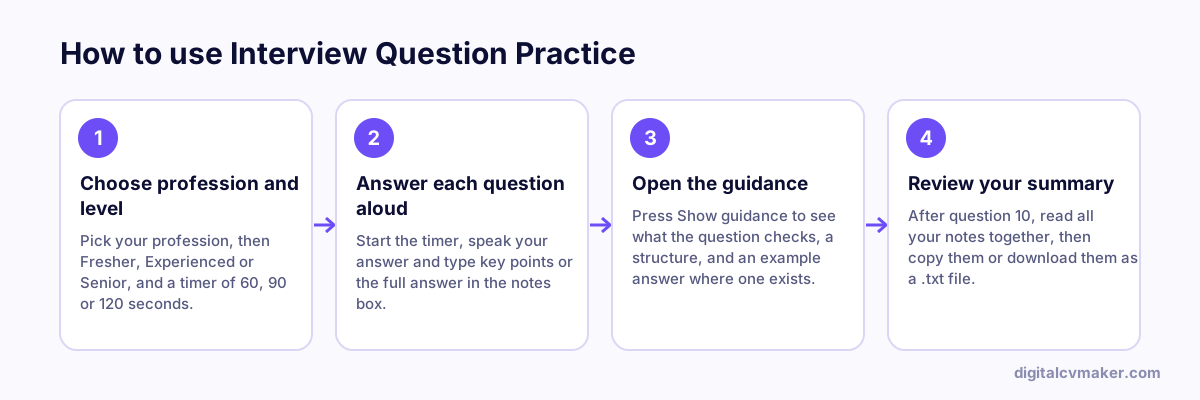
How to get the most from a practice session
- Read the question, then answer it aloud before you type anything. Interviews are spoken, and speaking exposes gaps that writing hides.
- Use the timer. If you run out of time, the answer usually has too much background and too little about what you did.
- Only then open the guidance. Compare your answer with the structure and note one thing to change.
- Say the improved version once more and keep the notes short: three or four prompts, not a script.
The three questions you should always prepare
Almost every interview includes some version of these. Read full examples for your profession, then write your own:
- “Tell me about yourself” examples by profession — the opening question that sets the tone.
- “Why should we hire you?” examples — match your proof to what the role needs.
- Strengths and weaknesses examples — a real weakness plus what you are doing about it.
Behavioural questions need a story
Questions that start with “tell me about a time” want one specific example, not a general description of how you work. Pick a real situation, keep the background short and spend most of the answer on your own actions and the outcome. Build these answers step by step with the STAR answer builder, and make sure your resume mentions the same achievements you plan to talk about.